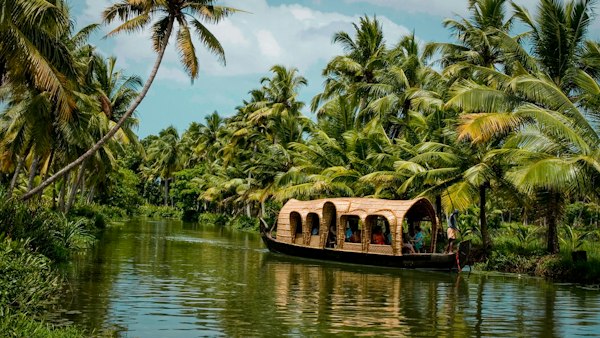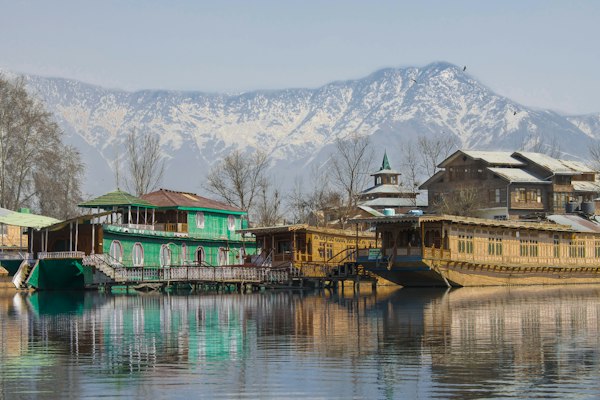
India's tourism industry accounts for approximately 5.8% of GDP and employs over 80 million people directly and indirectly. The way travellers engage with this ecosystem — which properties they choose, which guides they hire, which food they buy — directly determines how equitably that economic activity is distributed. Responsible travel is not about sacrifice. It is about making choices that make the trip itself more meaningful while ensuring the places and communities you visit genuinely benefit from your presence.
Choose Properties That Employ Locally
The most direct way a hotel contributes to its community is through employment. A property that sources its staff, food, and supplies locally retains far more of its revenue within the local economy than one that imports management, ingredients, and supplies from outside the region. The economic multiplier effect of a locally staffed, locally sourced property is 3–4 times higher than one that centralises procurement at a chain level.
Two useful questions to ask any hotel: where is the majority of your staff from? Where do you source your fresh produce and dairy? The answers reveal a great deal about a property's relationship with its immediate community — and often predict the quality of the food and service as well.
Heritage Hotels as Conservation Vehicles
India's architectural heritage — thousands of forts, havelis, colonial bungalows, and royal palaces — is under continuous and serious threat from abandonment and development pressure. A heritage building that generates no income is a building that will eventually be demolished or allowed to decay. Heritage hotels that restore and maintain historic structures are doing conservation work that no government programme could replicate at comparable scale or cost.
When you choose a restored heritage property over a new-build hotel, you are directly funding the maintenance of architecture that the entire nation's cultural heritage depends on. This is not a small consideration — it is one of the more consequential choices a traveller in India can make.
Wildlife Tourism: Accreditation Matters
India's wildlife tourism sector varies enormously in quality and ethics. At one end: responsible eco-lodges adjacent to national parks that employ local guides, contribute to anti-poaching operations, and maintain sustainable visitor numbers. At the other: operations that crowd animals for photographs, use disruptive spotlights at night, and extract maximum value with minimum community benefit.
For wildlife stays: look for Kerala Tourism "Green Leaf" certification (for properties in Kerala), India Responsible Tourism Awards recognition, or EarthCheck accreditation. For wildlife viewing specifically: insist on PATA-certified guides and operations that visibly follow park protocols. The extra due diligence is worth it — the difference in experience between a responsible and irresponsible wildlife operation is significant.
Reduce Plastic — The Single Most Actionable Change
India generates significant single-use plastic waste, and tourism is a disproportionate contributor. The most responsible hotels have eliminated single-use plastics: glass water dispensers in rooms, bamboo or metal straws, solid soap bars rather than miniature plastic bottles, and paper or cloth packaging for toiletries. These are small details that signal broader environmental consciousness and operational commitment.
As a traveller: carry a reusable water bottle. In most Indian hotels at all quality levels, it will be refilled for free. Decline plastic bags at local markets and carry a cloth bag. These actions have cumulative impact when adopted at scale across a tourist population.
Eat Local and Regional
The extraordinary diversity of Indian regional cuisine — 28 states, each with multiple distinct food traditions, many of which are genuinely endangered as homogenisation increases — is best experienced through locally owned restaurants, market stalls, and properties that feature regional menus rather than generic pan-Indian or international food. This is better for the traveller's experience, better for local food producers, and better for the cultural preservation of culinary traditions that exist nowhere else.
In practical terms: ask your hotel where locals eat. Visit the local morning market. Order dishes the staff eat themselves rather than the dishes they assume international visitors want. This produces the best meals and the most authentic experiences by a considerable margin.
How UNO Hotels Supports Responsible Tourism
UNO Hotels & Resorts exclusively lists independently owned and operated properties. We do not list hotel chains where revenue flows primarily to corporate shareholders rather than the local community where the property operates. Our partner verification process includes an assessment of local employment practices and environmental commitments. Properties that demonstrate responsible practices are actively highlighted in our platform recommendations.
PTW Holidays Private Limited — the company behind UNO Hotels & Resorts — is committed to promoting sustainable, community-benefiting hospitality across India. For responsible travel planning and accommodation recommendations, contact us at +91 9805096956 or info@unohotelsandresorts.com. Head office: 3rd Floor, Chauhan Building, NH-22 Bhattakufar, Kamla Nagar, Shimla, Himachal Pradesh — 171006.