India's plains bake at 42°C through April, May, and June. The hills — at altitudes between 1,500 and 4,500 metres — are 15–20 degrees cooler and contain some of the most dramatic scenery on the subcontinent. Here are the best hill station destinations for summer 2025, with notes on timing, what to expect, and where to stay.
Coorg (Kodagu), Karnataka — 1,525m
India's "Scotland of the East" — coffee-covered hills, waterfalls, and spice estates — is at its most beautiful between March and June, when pre-monsoon rains bring the greenery to full intensity without the flooding of July–September. Coorg has an exceptional range of estate stays: guests sleep in converted planter's bungalows surrounded by coffee, cardamom, and pepper plantations. The food is extraordinary and unlike anything available elsewhere in India — Coorg pork curry, bamboo shoot preparations, and Akki Roti are regional specialities that do not travel well beyond the district. Dubare Elephant Camp (30 km from Madikeri) offers morning elephant bathing experiences that are among the most memorable wildlife interactions available in peninsular India.
Munnar, Kerala — 1,600m
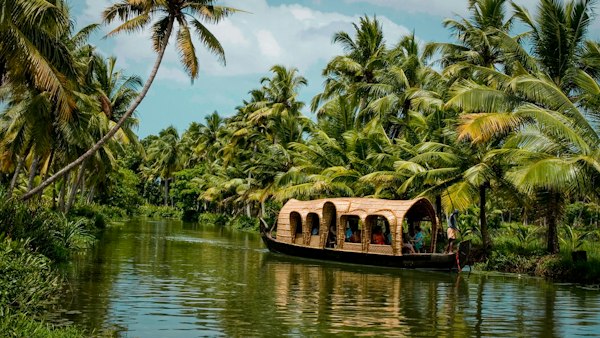
The highest tea-growing region in India offers some of the most visually dramatic agricultural scenery anywhere in the world: steep hillsides covered in precisely manicured tea bushes, punctuated by Nilgiri tahr herds and sambar deer. The best Munnar hotels are converted colonial-era tea estate bungalows — guests sleep in the same buildings where plantation managers lived a century ago, wake to mist in the tea rows below, and spend mornings walking the estate before the day heats up. Eravikulam National Park, adjacent to Munnar, has the highest density of Nilgiri tahr (endemic mountain goat) in the world. The neelakurinji wildflowers bloom only once every 12 years; next bloom is 2030 — if you miss it, you have a long wait.
Manali, Himachal Pradesh — 2,050m
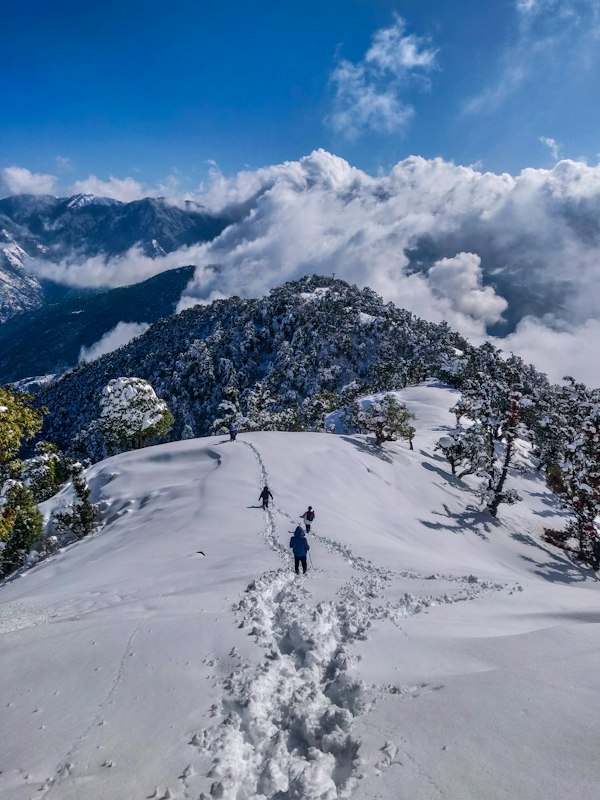
Manali is the adventure hub for the western Himalayas — trekking, river rafting on the Beas, paragliding, and the gateway to the Rohtang Pass (opens in June) and the Spiti Valley. June is ideal timing: the pass opens, apple orchards are in blossom, and crowds are lighter than the peak July–August season when Indian school holidays drive massive domestic tourism. The Old Manali area (across the Manalsu River from the main town) has a cluster of boutique properties and guesthouses in a more peaceful, village-like setting. The view of the Solang Valley from the northern end of Old Manali is one of the finest free viewpoints in the Kullu district.
Kasol and the Parvati Valley — 1,580m
The Parvati Valley has a quality of mountain experience that larger hill stations cannot match — wide glacial valley, clear river, and trails that extend into serious high-altitude trekking territory. Kasol is the main village; the trail to Kheerganga hot springs (12 km, 5–6 hours) passes through increasingly dramatic scenery and ends at natural hot springs at 2,950m surrounded by snow peaks. Malana (3 km off the main trail, accessible via a 3-hour walk) is one of the most culturally fascinating villages in Himachal — an isolated community with its own governance system, distinct dialect, and strict protocols for interactions with visitors. Kasol accommodation ranges from basic guesthouses to several well-run boutique properties.
Spiti Valley — 3,800m to 4,500m
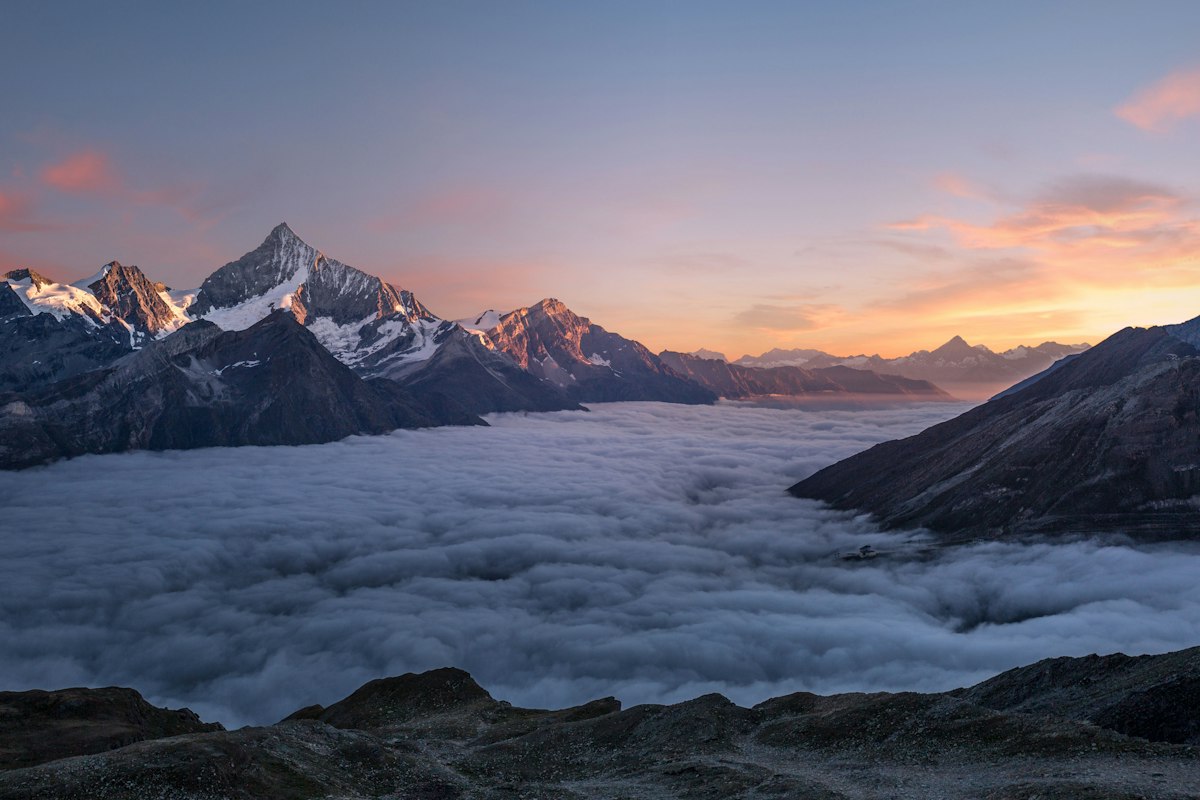
For serious altitude seekers, Spiti is without peer in accessible India: a high-altitude cold desert that resembles Tibet more than anything in the Indian imagination, accessible by road only from late May through October (the Rohtang Pass route closes in winter). The 10th-century Tabo Monastery (a UNESCO World Heritage candidate) is one of the oldest continuously inhabited structures in India. The Key Monastery, perched above the valley floor at 4,166m, offers some of the most extraordinary high-altitude views of any inhabited building in the Himalayas. The night sky in Spiti, with minimal light pollution at this altitude, is the darkest observable from any road-accessible location in India.
Darjeeling, West Bengal — 2,100m
The tea capital of India maintains a quality of hill-station atmosphere that Shimla lost long ago: the UNESCO World Heritage Toy Train winding up from Siliguri, the view of Kanchenjunga (the world's third-highest peak, 8,586m) at dawn from Tiger Hill, a food culture that combines Tibetan, Nepali, and Bengali influences in ways found nowhere else in India. Several historic tea estate bungalows now operate as boutique hotels — guests sleep in converted colonial structures, wake to mist in the tea rows, and take morning factory tours to watch first-flush tea processing in real time.
Ooty, Tamil Nadu — 2,240m
The Nilgiri Hills' most famous hill station is at its best in April and May before the south-west monsoon arrives. The Government Botanical Gardens (established 1848) are at their finest in late April during the annual flower show. The heritage steam train from Mettupalayam to Ooty — another UNESCO World Heritage railway — is one of India's most distinctive rail experiences. The Toda tribal villages in the surrounding Nilgiri grasslands preserve one of India's most distinctive indigenous cultures and architectural traditions.
Book with UNO Hotels & Resorts
UNO Hotels & Resorts lists verified boutique and heritage properties across all major Indian hill stations — Shimla, Manali, Coorg, Munnar, Darjeeling, Ooty, and beyond. Search by destination and dates at unohotelsandresorts.com or call our team at +91 9805096956 for personalised recommendations. We are based in Shimla and travel to the properties we recommend.