Goa is India's most-visited beach destination — and also its most misunderstood. Most first-timers head straight to Calangute or Baga, find a mediocre beach shack, and leave wondering what the fuss is about. The Goa worth staying for takes a little more effort to find — but not much more.
North vs South: The Decision That Defines Your Trip
North Goa (Candolim to Arambol) has the most developed tourist infrastructure — more hotels, more restaurants, more nightlife, more people. It suits travellers who want energy, variety, and easy access to everything. The beaches from Anjuna to Vagator are particularly good: wide, less crowded than Baga, and backed by red-laterite cliffs that turn extraordinary colours at sunset.
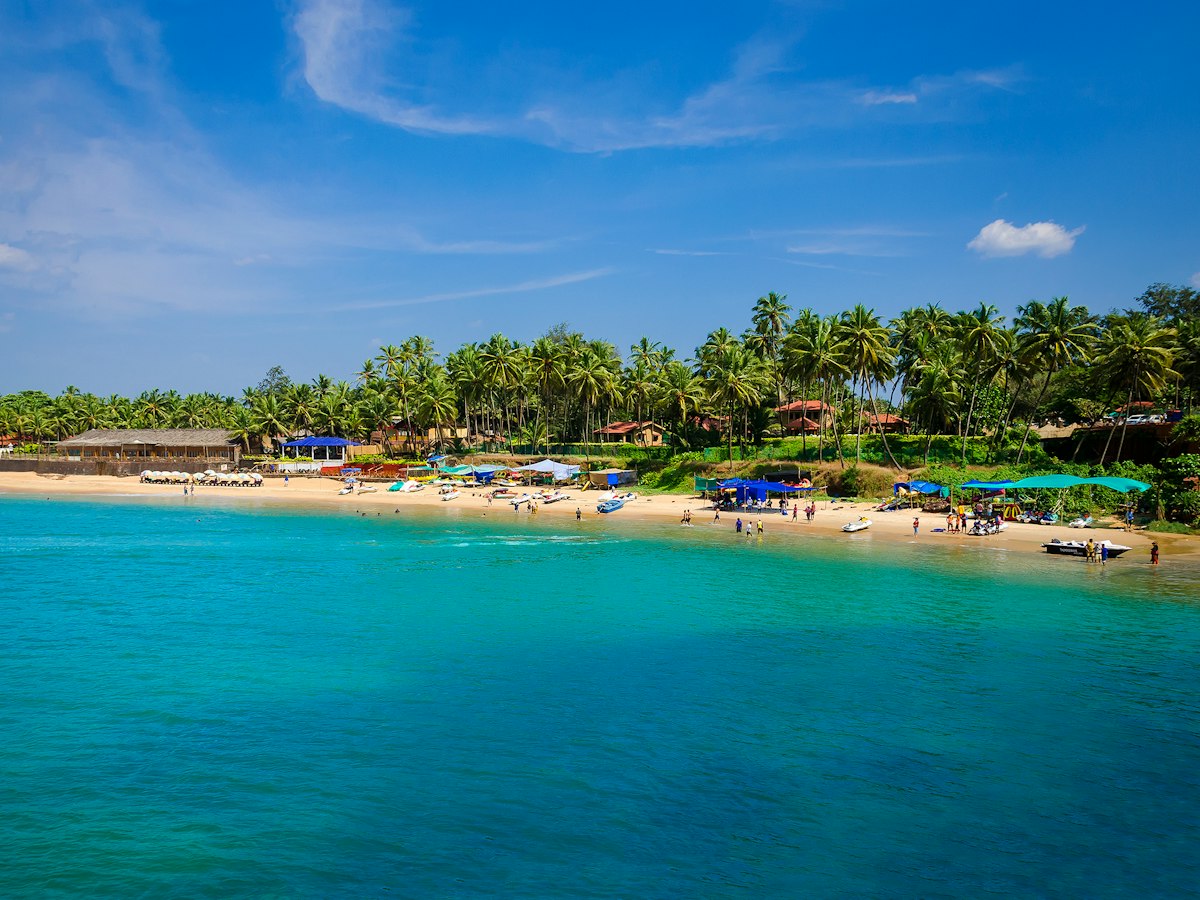
South Goa (Varca to Palolem) is dramatically different: quieter beaches, fewer tourists, more upscale resorts, and a pace that actually lets you decompress. Agonda and Palolem are the standouts — Agonda is perhaps the most beautiful beach in Goa for those who value space and quiet; Palolem's crescent bay is the most-photographed. If you want to actually relax rather than socialise, go south.
The third option — most interesting of all — is the interior and the capital. Old Goa's UNESCO-listed Portuguese colonial churches, the Dudhsagar Waterfall (one of India's highest), the spice plantation tours of Ponda, and Panaji itself (recently transformed into a genuinely exciting food and arts capital) offer a dimension of Goa that most beach-focused visitors never reach.
Where to Stay
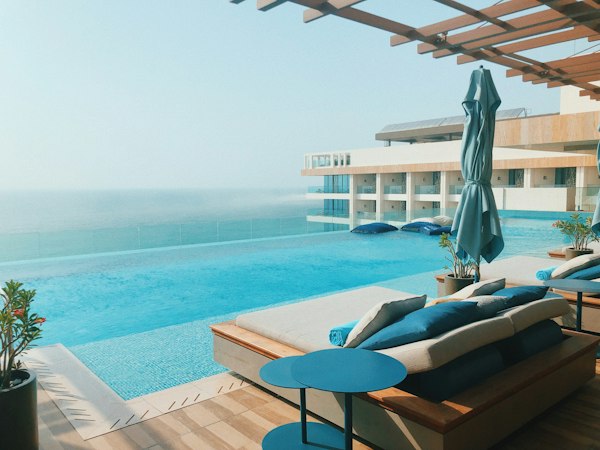
For North Goa: the strip between Anjuna and Vagator has the highest density of quality boutique hotels. Properties set back from the beach in private gardens offer more quiet and significantly better value than beachfront hotels, which sell a premium view at the cost of everything else. Morjim and Ashvem, further north, have a slightly younger, design-conscious hotel scene that has grown substantially in the last three years.
For South Goa: the cliff-top eco-resorts above Palolem offer some of the best sunset views in India. Agonda has several excellent small resorts that have consistently high ratings for personal service — most have fewer than 15 rooms. Cavelossim and Mobor, even further south, have the largest beach-front resort complexes in Goa with all associated amenities.
For Panaji: converted Portuguese townhouses (casas) now operating as boutique hotels have made the capital one of the most interesting places to base a Goa trip. Walking distance from the Fontainhas Latin Quarter (India's only surviving Portuguese neighbourhood, still largely residential), the Mandovi River promenade, and the finest food in the state.
What to Eat — The Real Goan Food
The real Goan cuisine is not in beach shacks. It is in family-run restaurants in the villages and in the homes of Goan Catholic families cooking the same recipes for four or five generations. Seek out: pork vindaloo (the actual Portuguese-derived Goan original, not the British-Indian version), sorpotel, xacuti, cafreal, and the extraordinary Goan sausage (chouriço) sold at the Saturday market in Mapusa and from village bakeries throughout the state.
For breakfast: poi bread (Goa's distinctive local bread, baked in a wood-fired oven) with butter and Goan chorizo from a village bakery. For dessert: bebinca — a dense, layered coconut and egg cake baked over coals, available at better Goan bakeries. For seafood: the daily fish market in Panaji (and Mapusa market on Fridays) is where the fishing boats unload. The seafood restaurants directly adjacent to these markets are consistently the best value in the state.
Beyond the Beach: What Most Visitors Miss
The Basilica of Bom Jesus in Old Goa contains the preserved body of St. Francis Xavier and is one of the finest examples of Baroque architecture in Asia. The Fontainhas Latin Quarter in Panaji — narrow lanes, Portuguese-era houses painted in ochre and indigo, still largely residential — is the most intact colonial neighbourhood in India. The Saturday Night Market in Arpora (November–April) is a genuinely interesting night market with local food, handicrafts, and live music that has resisted becoming purely a tourist trap.
Best Time and Getting Around
November to February is peak season — clean beaches, perfect weather, and an energy (especially December) that justifies the higher rates. March is excellent: the season is winding down, rates drop 30–50%, beaches are quieter, and the weather remains good. Monsoon Goa (June–September) has a real following among experienced visitors: empty beaches, lush greenery, waterfalls, and rates at their annual lowest.
Getting around: rented scooter (₹300–500/day) remains the best way to explore. The roads are good, the state is compact, and the independence of having your own transport is significant. App-based taxis are available but surge-price aggressively during peak season.
Book with UNO Hotels & Resorts
UNO Hotels & Resorts lists verified boutique and heritage properties across North Goa, South Goa, and Panaji — all partner-verified with accurate photos and live availability. Search by dates and location at unohotelsandresorts.com, or call +91 9805096956 anytime for recommendations specific to your group and budget.